

Bruxism: splint or Botox?
For bruxism a night splint is usually the first choice, because it protects the teeth from wear and fracture, while Botox is an additional option that temporarily relaxes the chewing muscles when they are very tense and painful. The two do not exclude each other: the dentist decides what suits you after examining your teeth, muscles and jaw joints.
In short:
- A splint does not stop clenching, but it takes the pressure and protects teeth, fillings and crowns.
- Botox reduces muscle strength for a few months; it does not treat the cause and has to be repeated.
- Stress, sleep, caffeine, alcohol and tobacco also affect bruxism, so treatment is often combined.
This article is for people who grind or clench their teeth, wake up with a tense jaw or a headache, or have heard from their dentist that their teeth are worn. See how we treat bruxism at the clinic on the Bruxism page.
What is bruxism?
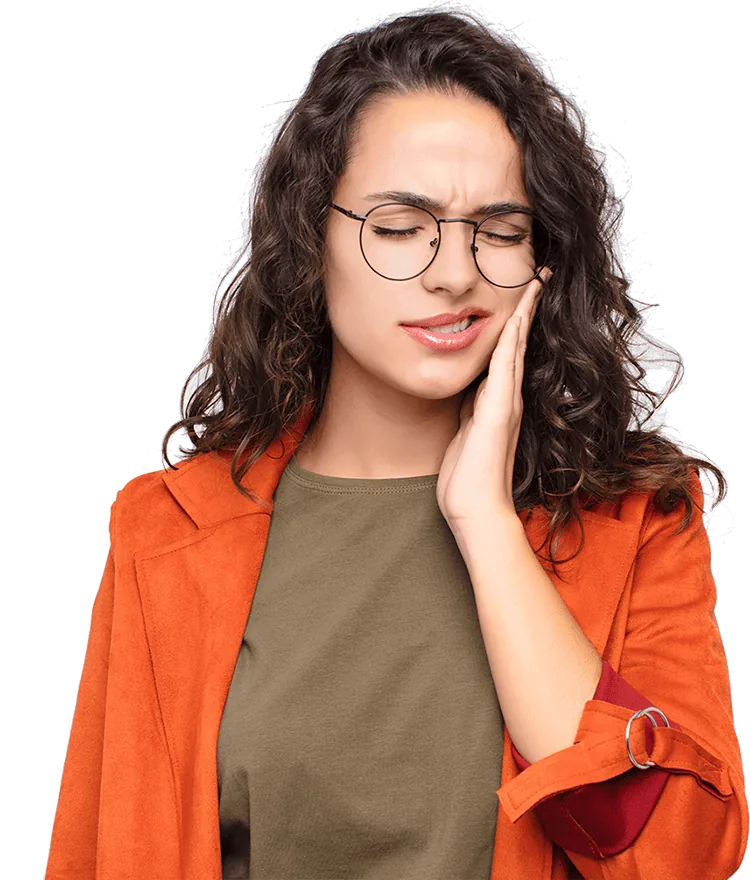
Bruxism is involuntary clenching or grinding of the teeth. It can happen during sleep (sleep bruxism) or during the day, often while concentrating or under tension (awake bruxism). Many people do not know they do it; usually a partner hears the grinding or the dentist sees the marks on the teeth.
The UK's NHS lists stress and anxiety as common causes, along with factors such as smoking, alcohol and caffeine (NHS – Teeth grinding (bruxism)). In sleep bruxism, sleep disorders can also play a part. That is why treatment is not only about the teeth.
What are the symptoms of bruxism?
- morning pain or tiredness in the jaw and face;
- headache, especially at the temples, after waking;
- worn, flattened or cracked teeth;
- teeth sensitive to cold;
- chipped fillings or chipped ceramic on crowns;
- clicking or pain in the jaw joint, limited mouth opening;
- enlarged, firm chewing muscles at the angles of the jaw.
Some of these symptoms have other causes as well. If the joint pain is severe, the jaw "locks" or you have sleep problems, the dentist may also refer you to another specialist.
How does a bruxism splint help?
A bruxism splint is a custom-made plastic cover worn over the teeth of one jaw, most often at night. It does not stop clenching, but it puts a barrier between the upper and lower teeth. The pressure then falls on the splint rather than on the enamel, fillings and crowns.
The NHS notes that a dentist may recommend a mouth guard or mouth splint worn at night to protect the teeth from damage. A well-fitting splint may also reduce morning muscle tension in some patients, but the effect varies from person to person.
Over-the-counter or custom splint?
Ready-made soft guards are cheap but are not made for your teeth. In some people they even provoke more chewing. A custom splint is made from an impression, and the dentist checks and adjusts the bite, so for persistent bruxism a custom splint is usually recommended.
How do you look after a splint?
- rinse it and clean it with a soft brush after each use;
- keep it in its case, away from hot water and sunlight;
- bring it to check-ups so its wear can be checked.
How does Botox work for bruxism?
Botulinum toxin (known as Botox) is injected into the chewing muscles, most often the masseters at the angles of the jaw. It temporarily reduces how strongly the muscle contracts. As a result clenching becomes weaker, and in some patients muscle pain and tension decrease.
It is important to know that:
- the effect is temporary, usually a few months, after which the procedure has to be repeated if still needed;
- Botox does not remove the cause of bruxism and does not replace a splint when the teeth are already worn;
- as with any injection, temporary side effects are possible, such as bruising or a change in chewing;
- it is not used during pregnancy or breastfeeding or with certain conditions, so the doctor takes a medical history before the procedure.
Splint or Botox: which should you choose?
| Criterion | Night splint | Botox in the chewing muscles |
|---|---|---|
| Main aim | Protects teeth, fillings and crowns from wear | Reduces clenching force and muscle tension |
| Does it treat the cause? | No | No |
| Duration | Worn every night while it is intact | Temporary effect, usually a few months |
| When it fits | As a first step for most people with sleep bruxism | As an addition, with severe muscle pain or enlarged masseters |
| Requires | An impression and a fitting | An examination and medical history before the injection |
For most people a splint is the first step, because it protects the teeth from the first night. Botox is discussed when the muscles stay very tense and painful despite the splint and changes in habits. Sometimes the two are combined.
What else helps with bruxism?
- cut down on coffee, energy drinks and alcohol, especially in the evening;
- do not smoke;
- watch for daytime clenching: lips closed, teeth apart when you are not chewing;
- find a way of handling stress that works for you, such as exercise, walks or breathing exercises;
- if you snore or wake often, talk to your GP about your sleep.
What happens to the teeth if bruxism is not treated?
Over the years constant clenching wears the enamel, the teeth become shorter and more sensitive, and cracks can appear. Fillings and crowns are also put under more load. If you have crowns or are about to get them, see also "Zirconia or metal-ceramic crowns": with bruxism the choice of material matters more.
How much does bruxism treatment cost?
A night guard for bruxism is €120.00. Botox is €77.00 per zone and an examination €30.00 on SF Dent's price list.
| Service | Price |
|---|---|
| Examination | 30.00€ |
| Night guard for bruxism | 120.00€ |
| Botox - 1 zone | 77.00€ |
Prices are from the clinic’s price list. The final cost depends on your case and is confirmed after an examination. See the full price list
The full list is on the price list.
When should you call a dentist?
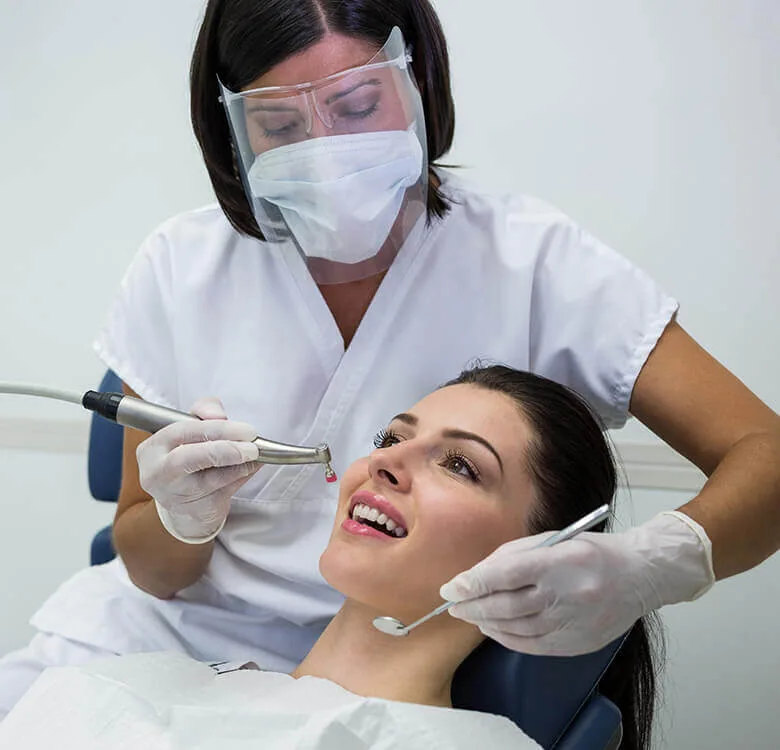
If you wake up with jaw pain or a headache, or notice worn or chipped teeth, book an examination. The dentist will check your teeth, muscles and joints and discuss with you whether a splint, Botox or both are needed. There is more on the Bruxism page, and you can book on +359 87 666 2785. SF Dent is at 22 Elemag St in Izgrev, Sofia, and is open Monday to Friday, 09:00 to 18:00.
Frequently asked questions
How do I know if I have bruxism?
Common signs are morning pain or tiredness in the jaw, a headache after waking, worn or cracked teeth and chipped fillings. A partner often hears the grinding. A dentist can confirm bruxism from the marks on the teeth and the state of the muscles and joints during an examination.
Does the splint have to be worn every night?
With sleep bruxism the splint is usually worn every night, because clenching cannot be predicted. It protects the teeth only while it is in your mouth. The dentist will tell you whether you also need it during the day and when to come back for a check.
How long does Botox for bruxism last?
The effect is temporary and usually lasts a few months, after which muscle strength gradually returns. If needed, the procedure is repeated. Botox does not remove the cause of bruxism, so it is often combined with a splint and changes in habits.
Can bruxism break a tooth or a crown?
Yes. Constant heavy clenching wears the enamel and can lead to cracked teeth, chipped fillings and chipped ceramic on crowns. That is why, for patients with bruxism, the dentist considers the choice of material carefully and often recommends a night splint.
Do children get bruxism?
Yes, grinding at night is common in young children and in many of them it passes with age. If your child complains of pain, the teeth are visibly wearing, or the child snores and sleeps restlessly, have them seen by a children's dentist or your GP.